


6
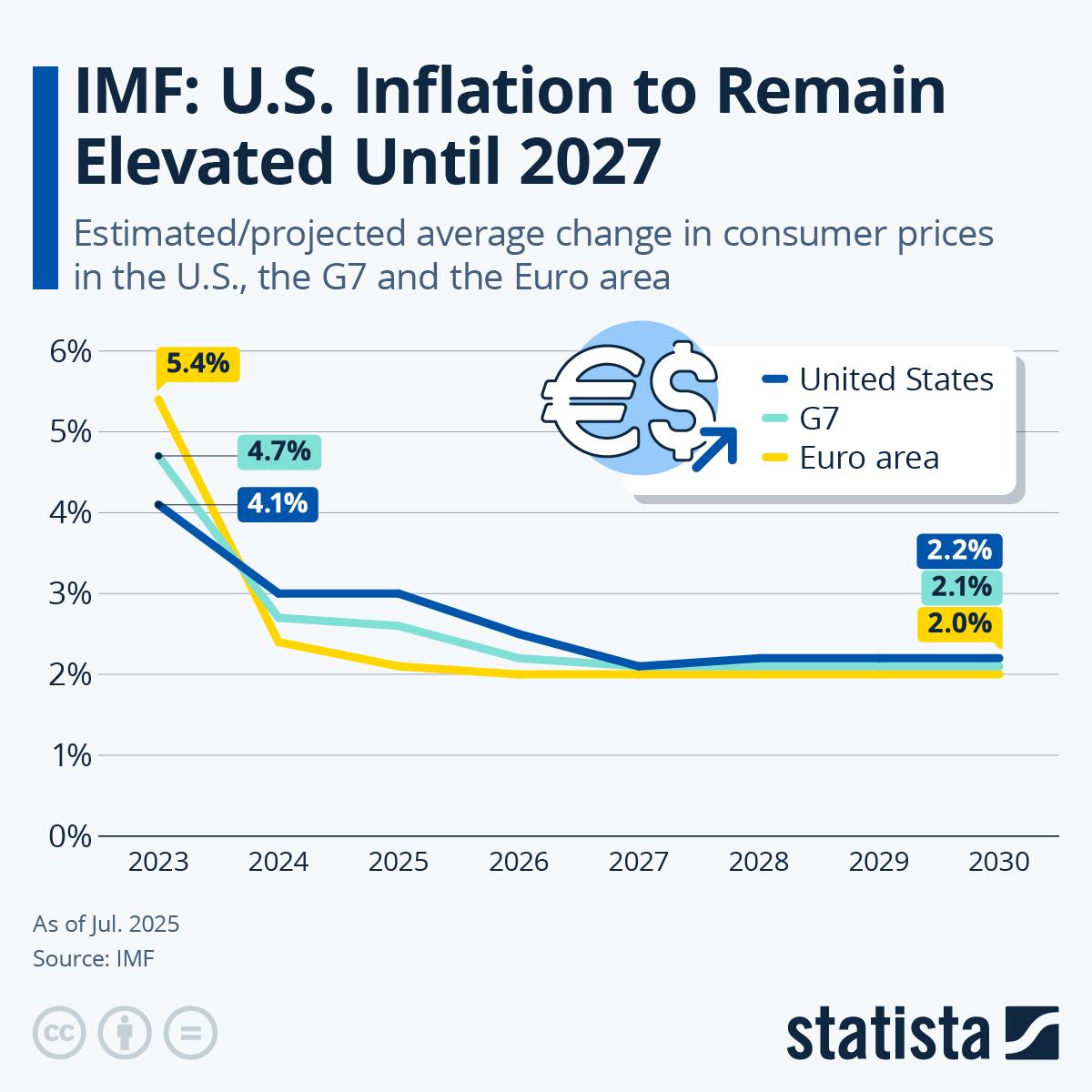
As millions of Americans rely on Social Security benefits for financial stability, any changes to cost-of-living adjustments (COLA) attract widespread attention. Recent forecasts for 2027 suggest that COLA increases may be higher than expected, largely driven by persistent inflation trends. While a higher COLA might seem like good news at first glance, it also signals broader economic pressures that could impact retirees and beneficiaries in multiple ways.
In this article, we’ll break down what the 2027 COLA forecast means, why inflation is playing a major role, and how it could affect your financial future.
What Is Social Security COLA?
Understanding COLA


8
COLA, or Cost-of-Living Adjustment, is an annual increase in Social Security benefits designed to keep up with inflation. The goal is simple: ensure that beneficiaries maintain their purchasing power even as prices rise.
COLA is determined using the Consumer Price Index for Urban Wage Earners and Clerical Workers (CPI-W). When inflation rises, COLA typically increases as well.
Why COLA Matters
For retirees, disabled individuals, and other beneficiaries, COLA adjustments are essential because:
- They help offset rising living costs
- They protect fixed incomes from losing value
- They provide predictable annual adjustments
Without COLA, inflation could significantly reduce the real value of Social Security payments over time.
2027 COLA Forecast: What We Know So Far
Expected Increase Trends


Early projections indicate that the 2027 COLA could be higher than average due to ongoing inflationary pressures. While exact percentages are not yet finalized, economists suggest that:
- Inflation may remain above historical norms
- COLA adjustments could exceed recent averages
- Price increases in essential goods may continue
This means beneficiaries could see larger benefit increases—but also face higher everyday expenses.
Why Inflation Is Driving the Forecast
Inflation affects nearly every aspect of the economy, including:
- Housing costs
- Healthcare expenses
- Food and energy prices
When these costs rise, COLA must increase to compensate. However, higher inflation can still outpace benefit adjustments, creating financial strain.
The Link Between Inflation and Social Security
How Inflation Impacts Benefits


Even with COLA increases, inflation can create challenges:
- Lag Effect: COLA adjustments are based on past data, not future inflation
- Uneven Costs: Seniors often spend more on healthcare, which may rise faster than general inflation
- Reduced Purchasing Power: If inflation spikes suddenly, benefits may not keep up
Real-World Example
For instance, if inflation rises by 5% but COLA is only 3%, beneficiaries effectively lose purchasing power. This gap is a major concern for those on fixed incomes.
Pros and Cons of a Higher COLA
Benefits of Increased COLA


A higher COLA can offer several advantages:
- Increased monthly payments
- Better alignment with rising costs
- Improved financial security
Potential Downsides
However, there are also drawbacks:
- Higher inflation reduces the real value of increases
- Increased taxes for some beneficiaries
- Rising Medicare premiums may offset gains
In short, a higher COLA is helpful—but not a complete solution.
How This Affects Retirees and Beneficiaries
Financial Planning Considerations


If you rely on Social Security, it’s important to plan ahead:
- Budget for rising living costs
- Consider additional income sources
- Monitor inflation trends
Strategies to Stay Ahead
Some practical strategies include:
- Diversifying income (investments, savings)
- Reducing unnecessary expenses
- Staying informed about policy changes
Being proactive can help mitigate the impact of inflation.
Broader Economic Implications
What It Means for the Economy


A higher COLA forecast reflects broader economic conditions:
- Persistent inflation pressures
- Possible interest rate adjustments
- Changes in consumer spending
Government and Policy Response
Policymakers may respond by:
- Adjusting interest rates
- Implementing inflation control measures
- Reviewing Social Security funding
These actions can influence future COLA adjustments and overall economic stability.
What You Should Watch Moving Forward
Key Indicators


Keep an eye on:
- Inflation rates (CPI reports)
- Federal Reserve policies
- Healthcare and housing costs
Staying Informed
Reliable information can help you make better financial decisions. Follow updates from trusted financial and government sources.
Conclusion
The 2027 Social Security COLA forecast pointing to higher inflation is both a signal of rising economic pressure and a reminder of the importance of financial preparedness. While increased COLA adjustments can provide some relief, they may not fully offset the impact of higher living costs.
For beneficiaries, the key takeaway is clear: stay informed, plan ahead, and take proactive steps to protect your financial well-being. As inflation continues to shape the economic landscape, understanding how it affects Social Security is more important than ever.
FAQs
1. What is Social Security COLA?
COLA is an annual adjustment to Social Security benefits that accounts for inflation and helps maintain purchasing power.
2. Why is the 2027 COLA expected to be higher?
Because inflation is projected to remain elevated, leading to larger benefit adjustments.
3. Does a higher COLA mean better financial security?
Not necessarily. While benefits increase, rising costs may offset the gains.
4. How is COLA calculated?
It is based on the Consumer Price Index (CPI-W), which tracks changes in the cost of goods and services.
5. Can inflation outpace COLA increases?
Yes, especially if inflation rises بسرعة or affects specific expenses like healthcare more heavily.
6. What should retirees do to prepare?
Plan budgets carefully, diversify income sources, and stay informed about economic trends.
7. When will the 2027 COLA be finalized?
The official COLA is typically announced in October of the preceding year.