


6
The intersection of politics, business, and law often produces complex and closely watched disputes. One such case has recently drawn national attention: a federal judge has imposed new limitations on a proposed ballroom construction project associated with former U.S. President Donald Trump. The ruling highlights ongoing tensions between private development ambitions and regulatory oversight, particularly when high-profile figures and historically significant properties are involved.
In this article, we break down the background of the case, the court’s decision, and what it means for future development projects—all in a clear and easy-to-understand format.
Background of the Ballroom Construction Project
The Proposed Development


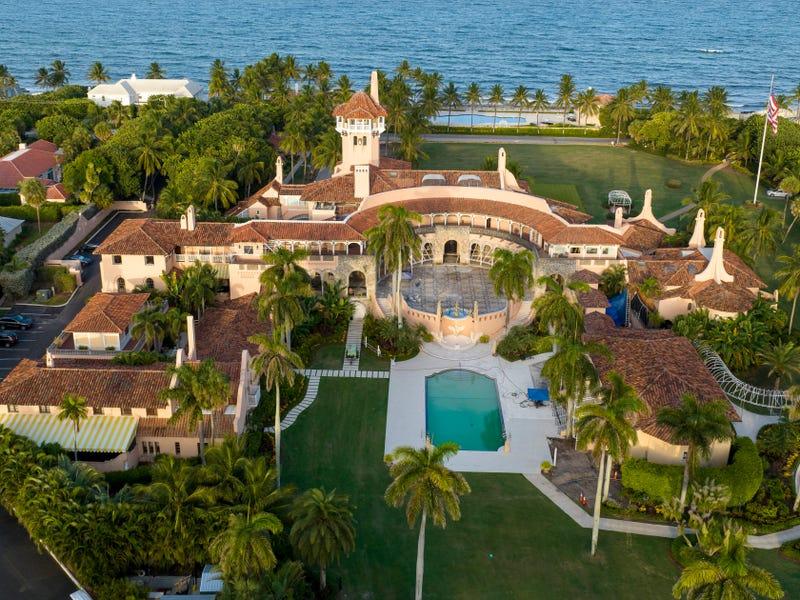
The controversy centers around a proposed ballroom project linked to Donald Trump’s property. The plan aimed to expand the existing infrastructure by constructing a large, luxurious ballroom designed to host events, weddings, and high-profile gatherings.
Luxury properties often pursue such expansions to increase revenue and attract elite clientele. However, the scale and location of this project quickly drew attention from regulators and local stakeholders.
Why the Project Drew Attention
Several factors contributed to the scrutiny:
- Historical significance of the property
- Environmental concerns related to large-scale construction
- Strict zoning laws governing land use
Because of these issues, the project faced legal challenges and regulatory review.
The Federal Judge’s Ruling
Key Restrictions Imposed


6
A federal judge recently stepped in to set new limits on the ballroom construction. While the project was not completely halted, several important restrictions were introduced:
- Reduced size or scope of the ballroom
- Strict compliance requirements with zoning and environmental laws
- Additional approval processes before moving forward
These measures aim to balance private development with public and legal responsibilities.
Legal Basis for the Decision
The ruling is grounded in:
- Federal and local zoning laws
- Environmental protection regulations
- Historical preservation guidelines
The court’s goal was to ensure that all development follows established legal standards.
Why This Case Matters
Implications for Developers


7
This decision sends a strong message:
- No developer is above the law
- Compliance must be prioritized from the start
- Legal challenges can delay or reshape projects
Developers may now approach large-scale projects more cautiously.
Impact on Local Communities
For local communities, the ruling helps:
- Protect environmental and neighborhood standards
- Ensure transparency in development
- Reinforce community involvement in decision-making
Political and Public Reactions
Given the high-profile nature of the case, it has sparked public debate. Some view the ruling as necessary oversight, while others see it as excessive regulation. Regardless, it demonstrates how the legal system operates independently.
Understanding Zoning and Construction Laws
What Are Zoning Laws?


6
Zoning laws are rules set by local governments that control land use. They determine:
- What can be built
- Where it can be built
- How large or tall structures can be
These laws help maintain organized and sustainable communities.
Why Compliance Is Crucial
Failure to comply can lead to:
- Legal disputes
- Project delays
- Financial penalties
- Redesign or cancellation
This case is a clear example of why following regulations is essential.
Environmental and Historical Considerations
Protecting the Environment


7
Large construction projects can affect:
- Natural habitats
- Water systems
- Air quality
Environmental assessments are required to minimize these impacts.
Preserving Historical Sites
If a property has historical value, additional rules apply:
- Restrictions on structural changes
- Preservation of original architecture
- Oversight by heritage organizations
These measures ensure cultural heritage is protected.
What Happens Next?
Possible Outcomes for the Project


6
Following the ruling, several outcomes are possible:
- The project proceeds with modifications
- Further legal appeals are filed
- Delays occur due to additional reviews
The final direction depends on how developers respond to the restrictions.
Broader Legal Implications
This case could:
- Influence future development rulings
- Encourage stricter enforcement of laws
- Highlight the role of courts in construction disputes
Lessons for Future Development Projects
Importance of Early Planning


6
Developers should:
- Conduct thorough legal and environmental checks
- Work closely with local authorities
- Anticipate regulatory challenges
Community Engagement
Engaging with the community can:
- Build trust
- Reduce opposition
- Improve project outcomes
Transparency plays a crucial role in successful development.
Conclusion
The federal judge’s decision to impose new limits on the Trump ballroom construction project highlights the delicate balance between private ambition and public responsibility. While the project may still move forward, it must now align with legal, environmental, and community standards.
This case serves as a powerful reminder that regulations are not optional—they are essential. For developers, communities, and policymakers alike, it underscores the importance of accountability and thoughtful planning in modern development.
FAQs
1. What is the Trump ballroom construction project?
It is a proposed expansion involving a large ballroom at a Trump-associated property.
2. Why did a federal judge intervene?
Due to concerns over zoning laws, environmental impact, and preservation requirements.
3. Does the ruling stop the project completely?
No, it imposes restrictions but does not fully cancel the project.
4. What are zoning laws?
They are regulations that control how land is used and what can be built.
5. Can the decision be appealed?
Yes, either side can challenge the ruling in court.
6. Why is this case important?
It highlights the importance of legal compliance in major construction projects.
7. What happens next?
The project may be modified, delayed, or further contested legally.