
The long-standing tension between the United States and Iran has once again taken center stage, this time through a significant decision made by the US House of Representatives. Lawmakers voted to limit former President Donald Trump’s ability to take military action against Iran without first obtaining approval from Congress. While this may sound like a technical political move, it actually touches on one of the most fundamental questions in American democracy: who has the authority to take the nation to war?
For everyday readers, this issue goes beyond Washington politics. It has real-world implications for global peace, economic stability, and the safety of military personnel. Decisions about war can affect oil prices, international alliances, and even domestic policies. That’s why this development deserves attention, even if you’re not deeply invested in political debates.
This article breaks everything down in a clear and engaging way. You’ll learn what the House actually voted on, why Iran is central to the issue, how war powers are supposed to work, and what this could mean moving forward. By the end, you’ll have a solid understanding of why this moment matters—not just for the US, but for the world.
What Happened: A Quick Overview of the House Vote

The US House of Representatives passed a resolution aimed at restricting the president’s authority to launch military operations against Iran without congressional approval. This decision didn’t come out of nowhere. It followed a period of heightened tensions between the two nations, including military incidents that raised fears of a larger conflict.
At the heart of the resolution is a reaffirmation of the War Powers Resolution of 1973, a law designed to prevent presidents from engaging in prolonged military conflicts without the consent of Congress. Lawmakers from both major political parties supported the measure, though their motivations varied. Some saw it as a constitutional necessity, while others viewed it as a response to specific actions taken during Trump’s presidency.
The vote reflects a broader concern about unchecked executive power. Many representatives worried that without clear limits, the president could initiate military action that might quickly escalate into a full-scale war. By passing this resolution, the House aimed to ensure that such decisions involve broader debate and approval.
For the public, this move serves as a reminder that war is not just a military decision—it’s a democratic one. It requires input from elected representatives who are accountable to the people.
Understanding War Powers: Who Decides When the US Goes to War?
The US Constitution clearly divides war-related powers between Congress and the president. Congress holds the authority to declare war, while the president serves as the commander-in-chief of the armed forces. This system was intentionally designed to prevent any single individual from having too much control over military decisions.
However, history tells a more complicated story. Over the years, presidents have often taken military action without formal declarations of war. Conflicts like the Vietnam War and more recent military operations in the Middle East were initiated without Congress officially declaring war. This has led to ongoing debates about whether the balance of power has shifted too far toward the executive branch.
To address this issue, Congress passed the War Powers Resolution in 1973. This law requires the president to notify Congress within 48 hours of deploying troops and limits military engagement to 60 days unless Congress grants approval. While the law exists, its enforcement has been inconsistent, and presidents have sometimes challenged its authority.
The recent House vote is part of an effort to reinforce these rules. It signals that lawmakers want to reclaim their constitutional role and ensure that decisions about military action are made collectively, not unilaterally.
Why Iran? The Context Behind Rising Tensions
Iran has been a focal point of US foreign policy for decades. The relationship between the two countries has been strained since the 1979 Iranian Revolution, which led to the overthrow of a US-backed government and the establishment of an Islamic republic.
In recent years, tensions have escalated due to disagreements over Iran’s nuclear program. The Joint Comprehensive Plan of Action (JCPOA), commonly known as the Iran nuclear deal, was designed to limit Iran’s nuclear capabilities in exchange for lifting economic sanctions. However, the US withdrew from the agreement during Trump’s presidency, leading to renewed tensions.
Since then, both countries have engaged in actions that have heightened the risk of conflict. These include economic sanctions, military strikes, and confrontations in strategic regions like the Persian Gulf. Each incident has added to the sense that a larger conflict could be just around the corner.
The House resolution specifically addresses this volatile situation. Lawmakers want to ensure that any decision to escalate military action against Iran is carefully considered and approved through the proper channels. Their goal is to avoid a scenario where a single decision leads to unintended and potentially catastrophic consequences.
Political Reactions: Divided Opinions in Washington
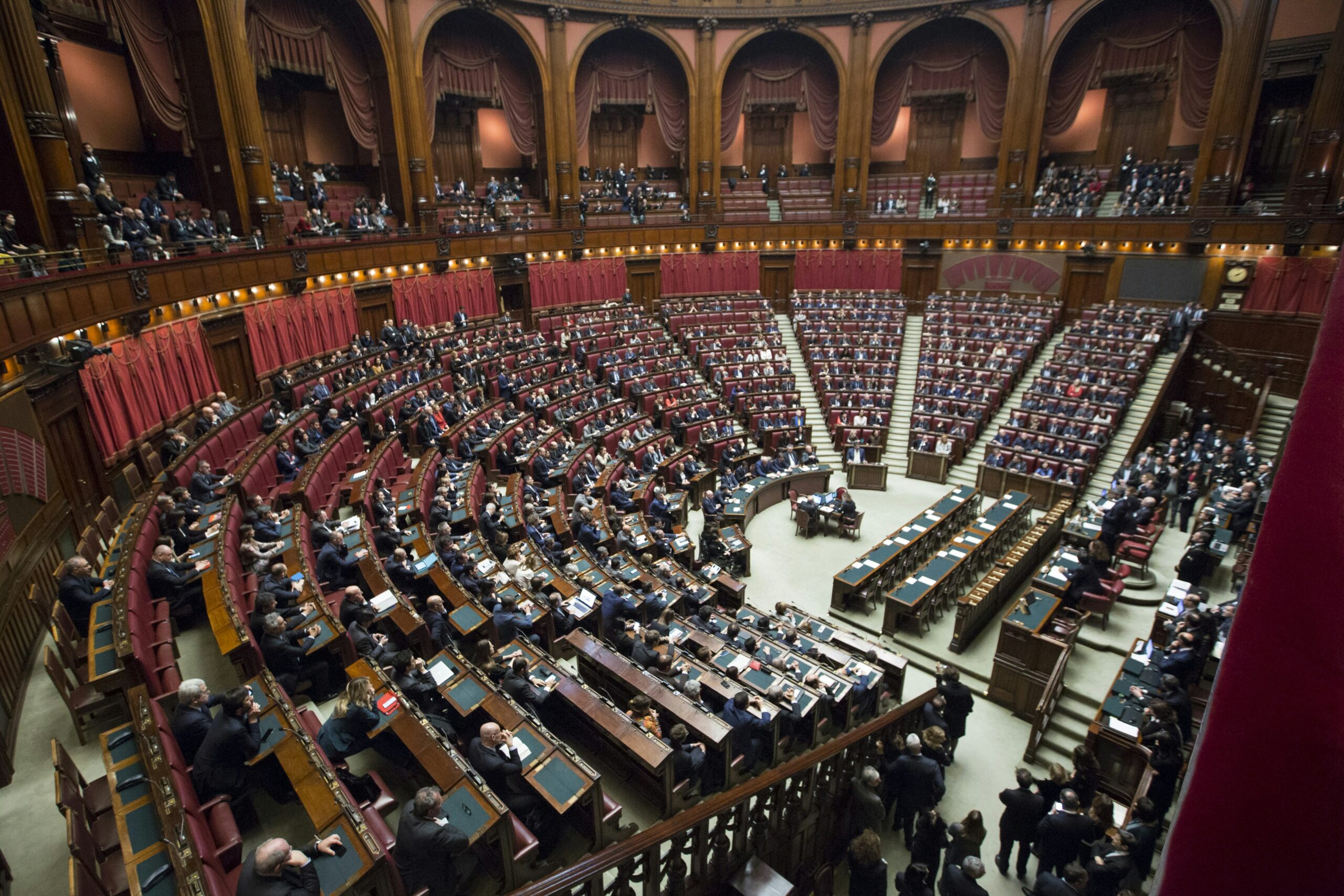
As with most major political decisions, the House vote sparked a wide range of reactions. Supporters of the resolution argue that it’s a necessary step to uphold democratic principles and prevent unnecessary wars. They believe that Congress should play a central role in decisions that could put American lives at risk.
On the other hand, critics argue that the president needs flexibility to respond quickly to threats. They worry that requiring congressional approval could slow down decision-making in critical moments, potentially putting national security at risk.
This divide reflects a larger debate about how power should be distributed within the US government. While both sides agree on the importance of protecting the country, they differ on the best way to achieve that goal.
Public opinion also plays a role in shaping these debates. Many Americans are cautious about entering new conflicts, especially after years of military involvement in Iraq and Afghanistan. This sentiment puts pressure on lawmakers to carefully weigh the risks and benefits of any military action.
Global Implications: How This Affects the World
The United States is one of the most influential countries in the world, and its decisions have far-reaching consequences. Limiting presidential war powers in relation to Iran sends a message to the international community that the US is committed to careful decision-making and diplomatic engagement.
For US allies, this move may provide reassurance. It suggests that the country is taking steps to avoid sudden military escalation and is prioritizing stability. For other nations, it may highlight internal debates within the US government, which could influence their own strategies.
The global economy is also closely tied to US-Iran relations. The Middle East is a key region for oil production, and any conflict there can disrupt supply and drive up prices. By reducing the likelihood of war, the House resolution could help maintain economic stability.
In a world where conflicts can quickly escalate, actions like this play a crucial role in maintaining balance. They show that even powerful nations must operate within systems of accountability and restraint.
What Happens Next?

While the House has passed the resolution, it’s only one step in the legislative process. For the measure to become fully effective, it would need to pass the Senate and potentially overcome a presidential veto. This means the situation is still evolving, and the final outcome remains uncertain.
Even if the resolution doesn’t become law, it has already made an impact by sparking a national conversation about war powers and executive authority. It may lead to future efforts to clarify or redefine these roles, ensuring that the balance of power remains aligned with constitutional principles.
For citizens, this is a reminder of the importance of staying informed and engaged. Decisions about war and peace affect everyone, and understanding how they are made is a key part of participating in a लोकतांत्रिक society.
Conclusion
The US House decision to block unilateral presidential war powers against Iran represents a significant moment in American politics. It highlights ongoing debates about authority, accountability, and the role of the United States on the global stage.
By reinforcing the need for congressional approval, lawmakers are emphasizing the importance of collective decision-making in matters of war. This approach not only aligns with constitutional principles but also helps ensure that such decisions are made with careful consideration.
As global tensions continue to evolve, actions like this serve as a reminder that diplomacy, oversight, and balance are essential components of a stable and peaceful world.
FAQs
1. What is the War Powers Resolution?
The War Powers Resolution is a 1973 law that limits the president’s ability to engage US forces in military conflict without congressional approval.
2. Why did the House vote to limit Trump’s war powers?
Lawmakers wanted to prevent unauthorized military action and ensure that Congress has a role in decisions about war.
3. Does this mean the US cannot go to war with Iran?
No, it means that significant military action would require approval from Congress.
4. How does this affect global stability?
It reduces the likelihood of sudden conflict, which can help maintain economic and political stability worldwide.
5. Is this decision final?
No, the resolution must still pass the Senate and potentially overcome a presidential veto to become law.