
The US stock market remains one of the most closely watched financial ecosystems in the world. Every movement in futures tied to major indices like the Dow Jones, S&P 500, and Nasdaq signals potential shifts in investor sentiment, economic expectations, and global financial stability. For both seasoned investors and beginners, understanding stock market futures is essential to navigating market volatility and making informed decisions.
In this article, we’ll break down what stock market futures are, analyze current trends, explore key factors influencing the market, and provide insights into what investors can expect in the near future.
What Are Stock Market Futures?
Stock market futures are financial contracts that allow investors to buy or sell an index at a predetermined price on a future date. These contracts are often used to:
- Predict how markets will open
- Hedge against potential losses
- Speculate on market direction
For example, if futures for the S&P 500 are rising before the market opens, it usually indicates a positive start for the trading day.
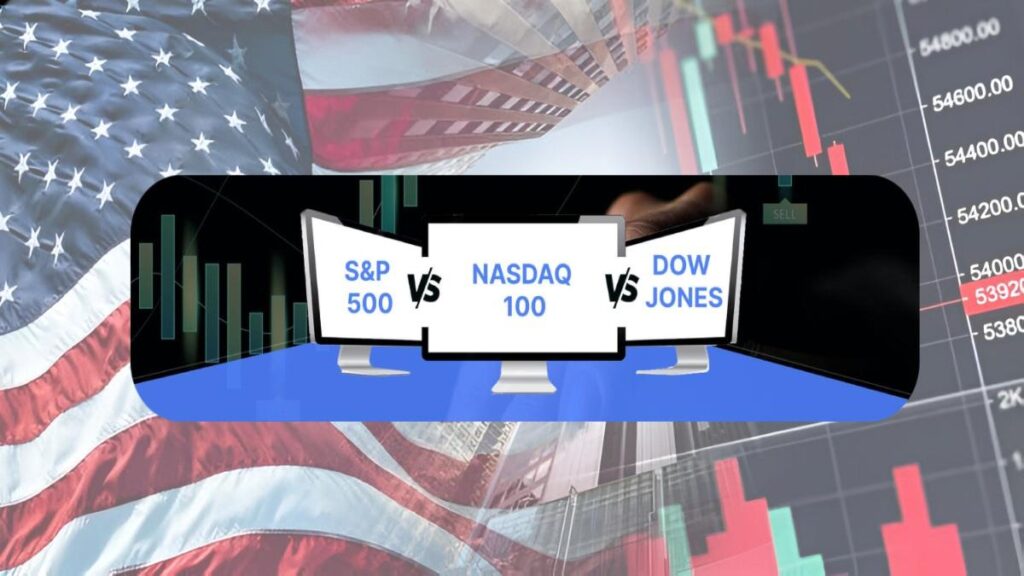
Overview of Major US Indices
Dow Jones Industrial Average (DJIA)
The Dow Jones tracks 30 large, publicly traded companies in the US. It is often seen as a benchmark for the overall health of the economy.
S&P 500
The S&P 500 includes 500 of the largest US companies and provides a broader representation of the market compared to the Dow.
Nasdaq Composite
The Nasdaq is heavily weighted toward technology stocks, making it more volatile but also a strong indicator of innovation-driven sectors.
Current Trends in Stock Market Futures
1. Volatility Driven by Economic Data
Recent market behavior shows that futures are highly sensitive to economic indicators such as:
- Inflation rates
- Employment data
- Federal Reserve interest rate decisions
Even small deviations from expected data can cause sharp movements in futures.
2. Tech Sector Influence
The Nasdaq futures have shown stronger fluctuations compared to the Dow and S&P 500. This is largely due to:
- Rapid innovation in AI and tech
- Earnings reports from major tech companies
- Investor sentiment toward growth stocks
3. Global Market Impact
US futures are not isolated—they are influenced by global events such as:
- Geopolitical tensions
- Oil price changes
- International economic policies
For example, instability in global markets can lead to a drop in US futures even before domestic trading begins.
Key Factors Influencing Market Outlook
Interest Rates and Federal Reserve Policies
Interest rates play a crucial role in shaping market trends. When the Federal Reserve raises rates:
- Borrowing becomes more expensive
- Corporate profits may decline
- Stock prices often face downward pressure
Conversely, lower interest rates tend to boost market confidence.
Corporate Earnings Reports
Quarterly earnings reports from major companies significantly impact futures. Strong earnings often lead to:
- Bullish futures trends
- Increased investor confidence
Weak earnings can trigger sell-offs and negative market sentiment.
Inflation and Consumer Spending
Inflation affects purchasing power and business costs. High inflation typically leads to:
- Market uncertainty
- Pressure on stock valuations
However, stable inflation combined with strong consumer spending can support market growth.

Bullish vs Bearish Signals in Futures
Bullish Indicators
- Rising futures before market open
- Strong economic data
- Positive earnings reports
- Increased institutional investment
Bearish Indicators
- Declining futures overnight
- Weak economic indicators
- Rising inflation or interest rates
- Global instability
Understanding these signals helps investors anticipate market movements more effectively.
How Investors Use Futures Data
Short-Term Traders
Day traders and swing traders rely heavily on futures to:
- Predict opening trends
- Identify entry and exit points
- Manage risk
Long-Term Investors
While long-term investors may not react to daily fluctuations, futures still help them:
- Understand market sentiment
- Adjust portfolio strategies
- Identify buying opportunities during dips
Investment Strategies Based on Market Outlook
1. Diversification
Spreading investments across sectors reduces risk. For example:
- Combining tech stocks with industrial and healthcare stocks
- Including both growth and value stocks
2. Dollar-Cost Averaging
Investing a fixed amount regularly helps:
- Reduce the impact of volatility
- Avoid timing the market
3. Hedging with Futures
Advanced investors use futures contracts to protect their portfolios from downside risks.
4. Staying Updated
Markets move quickly, so staying informed about:
- Economic news
- Earnings reports
- Global events
is essential for making timely decisions.
Risks Associated with Stock Market Futures
While futures provide valuable insights, they also come with risks:
- High volatility can lead to rapid losses
- Leverage can amplify both gains and losses
- Market predictions are not always accurate
Investors should approach futures with caution and use them as one of many tools in their decision-making process.
Future Outlook of the US Stock Market
Looking ahead, several trends are expected to shape the market:
Continued Tech Growth
Technology will likely remain a key driver, especially with advancements in artificial intelligence and automation.
Economic Policy Shifts
Changes in interest rates and fiscal policies will continue to influence market direction.
Increased Retail Investor Participation
More individual investors are entering the market, adding to volatility but also increasing liquidity.
Sustainability and ESG Investing
Environmental, Social, and Governance (ESG) factors are becoming more important, influencing investment decisions and company valuations.
FAQs
1. What do stock market futures indicate?
Stock market futures indicate how the market is expected to perform before it officially opens. They reflect investor sentiment and reactions to news or events.
2. Are futures a reliable predictor of market performance?
Futures provide useful insights but are not always accurate. Market conditions can change rapidly after opening.
3. Why are Nasdaq futures more volatile?
Nasdaq futures are heavily influenced by technology stocks, which tend to experience larger price swings.
4. How can beginners use futures data?
Beginners can use futures to understand market trends and sentiment but should avoid trading futures directly without proper knowledge.
5. What time do stock market futures trade?
Futures trade nearly 24 hours a day, allowing investors to react to global events in real time.
Conclusion
Stock market futures serve as a powerful tool for understanding market direction and investor sentiment. By analyzing trends in major indices like the Dow Jones, S&P 500, and Nasdaq, investors can gain valuable insights into potential opportunities and risks.
However, it’s important to remember that futures are just one piece of the puzzle. Successful investing requires a combination of research, strategy, and discipline. Whether you are a beginner or an experienced trader, staying informed and adapting to changing market conditions will always be key to long-term success.