

Introduction: Why U.S. Students Are Turning to ChatGPT

If you’re a student in the U.S., you’ve probably heard classmates talking about using AI tools like ChatGPT for assignments, essays, or even brainstorming ideas. And honestly, it’s not just hype—AI is changing how students learn, write, and think. But here’s the catch: most students are either using it the wrong way or barely scratching the surface of what it can do.
Think about it—how many times have you stared at a blank Google Doc at 11 PM, struggling to start an essay? That’s exactly where ChatGPT can step in as your writing partner. It doesn’t replace your thinking—it enhances it.
According to recent U.S. education surveys, over 60% of college students have used AI tools to assist with academic work. But only a small percentage are using it effectively and ethically.
This guide will walk you through how to use ChatGPT to writing content by US students in a way that improves your grades, saves time, and keeps you on the right side of academic integrity. Whether you’re in high school or college, this is your practical roadmap.
What Is ChatGPT and How Does It Help Students?
ChatGPT is an AI-powered writing assistant that can generate ideas, explain concepts, edit content, and even help structure essays. But here’s the key: it works best when you guide it properly.
Instead of thinking of ChatGPT as a shortcut, think of it as a study partner who’s available 24/7. You can ask it to:
- Break down complex topics like U.S. history or biology
- Generate essay outlines
- Improve grammar and clarity
- Suggest better vocabulary
For example, if you’re writing a college essay on climate change, you can ask:
“Explain climate change in simple terms for a college essay in the U.S.”
Within seconds, you’ll get a clear explanation you can build on.
What makes it powerful for U.S. students is its ability to adapt to different academic levels—from high school essays to advanced research papers.
Why It Matters for U.S. Students

Education in the U.S. emphasizes critical thinking, originality, and structured writing. That’s where ChatGPT becomes especially useful.
Instead of copying content, students can use it to:
- Develop stronger arguments
- Improve essay flow
- Understand assignment requirements
With rising tuition costs (average college tuition in the U.S. exceeds $10,000–$38,000 annually), students are looking for smarter ways to succeed academically. ChatGPT acts as a free or low-cost academic support tool.
Step-by-Step Guide: How to Use ChatGPT for Writing Content
Step 1: Start With a Clear Prompt
Your results depend heavily on how you ask. A vague question gives vague answers.
Bad prompt:
“Write an essay”
Better prompt:
“Write a 500-word argumentative essay for a U.S. college student on why renewable energy is important”
The more specific you are, the better the output.
Step 2: Ask for an Outline First
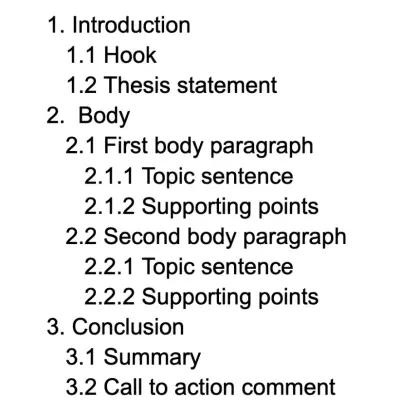
Jumping straight into writing is a mistake many students make.
Instead, say:
“Create an outline for my essay on social media impact on U.S. students”
This helps you:
- Stay organized
- Meet assignment requirements
- Avoid missing key points
Step 3: Generate Content Section by Section
Don’t rely on one full response. Break it down.
Ask:
- “Write the introduction”
- “Explain the second paragraph with examples”
This ensures better quality and control.
Step 4: Edit and Personalize
This is crucial. Never submit AI-generated content as-is.
Add:
- Your opinions
- Class notes
- Personal experiences
Example:
If ChatGPT writes about student stress, you can add your own experience balancing part-time work and school.
Step 5: Use It for Proofreading
Paste your draft and ask:
“Improve grammar and clarity for a U.S. college essay”
This can significantly improve readability and professionalism.
Real-Life Example (U.S. Student Use Case)
Let’s say you’re a college student in California writing about student loan debt.
Instead of struggling:
- Ask ChatGPT for topic ideas
- Generate an outline
- Write sections step-by-step
- Add your personal insights about tuition costs
This approach saves hours and improves quality.
Pros and Cons of Using ChatGPT for Students
✅ Pros
- Saves time
- Improves writing quality
- Helps with brainstorming
- Available anytime
❌ Cons
- Can lead to over-reliance
- May produce generic content
- Risk of academic misconduct if misused
Common Mistakes to Avoid
Many U.S. students misuse ChatGPT without realizing it.
Here are key mistakes:
- Copying content directly (risk of plagiarism)
- Using vague prompts
- Not fact-checking information
- Ignoring professor guidelines
Avoid these, and you’ll stay ahead.
Actionable Tips for Better Results
Want to get the most out of ChatGPT? Use these tips:
- Be specific with prompts
- Ask follow-up questions
- Combine AI with your own research
- Use it as a guide, not a replacement
Think of it like Google—but smarter.
Short Checklist for Students
Before submitting your work, check:
- ✔ Did I edit the AI content?
- ✔ Did I add my own ideas?
- ✔ Is it plagiarism-free?
- ✔ Does it match the assignment?
Key Takeaways
- ChatGPT is a powerful tool for U.S. students when used correctly
- It helps with writing, brainstorming, and editing
- The key is personalization and ethical use
- Strong prompts lead to better results
Internal Linking Suggestions
If you’re running a blog or student website, link this article to:
- “Best AI tools for students in the U.S.”
- “How to write college essays faster”
- “Top study hacks for American students”
Conclusion

Using ChatGPT for writing content isn’t about taking shortcuts—it’s about working smarter. U.S. students who learn how to use it effectively gain a serious academic advantage.
The difference between average and top-performing students often comes down to how they use available tools. ChatGPT can help you think clearer, write better, and save time—but only if you stay in control.
Start small, experiment with prompts, and build your own workflow. Once you get the hang of it, you’ll wonder how you ever studied without it.
FAQs (Featured Snippet Optimized)
1. Is it legal for U.S. students to use ChatGPT?
Yes, but it depends on how you use it. Most schools allow AI for assistance but not for submitting unedited content.
2. Can ChatGPT write essays for college students?
Yes, but students should always edit and personalize the content to avoid plagiarism and meet academic standards.
3. How do students avoid plagiarism when using ChatGPT?
By rewriting, adding personal insights, and using plagiarism checkers before submission.
4. What is the best way to use ChatGPT for assignments?
Use it for brainstorming, outlining, and editing—not as a final content generator.
5. Is ChatGPT better than Google for students?
ChatGPT is better for explanations and writing help, while Google is better for research sources.