
Introduction
The ongoing tensions in the Middle East have once again captured global attention, particularly following recent developments involving Israel, Beirut, Iran, and Lebanon. A potential ceasefire has emerged as a focal point in international diplomacy, raising questions about regional stability, geopolitical alliances, and the future of conflict in the area.
This article provides a clear, informative breakdown of the situation, helping readers understand what is happening, why it matters, and what could come next.
Background: Understanding the Conflict
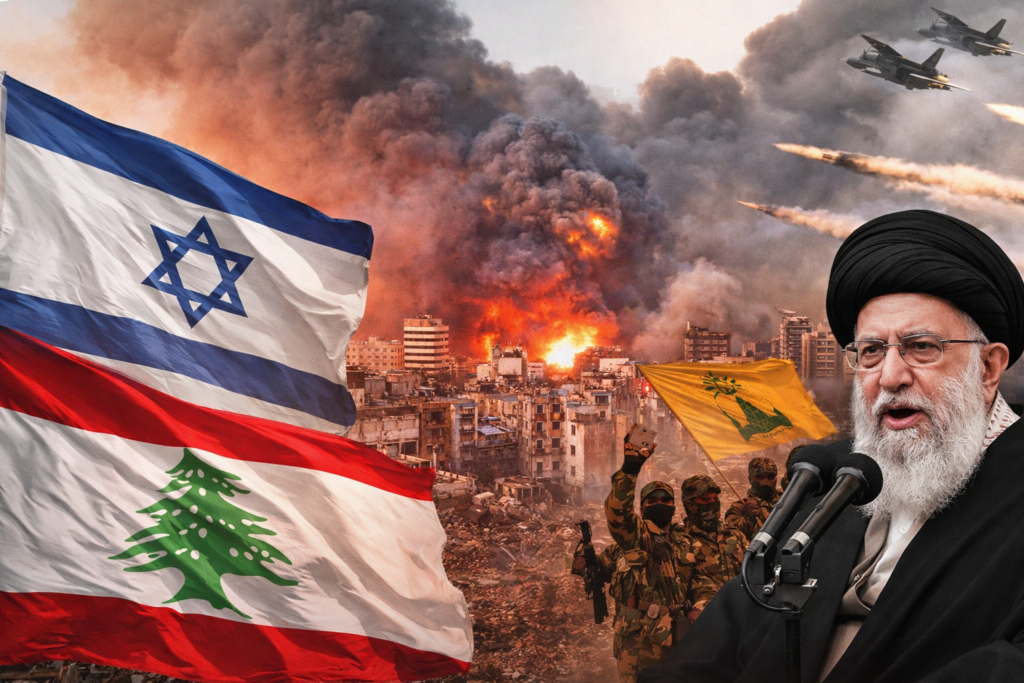
The Middle East has long been a region marked by political complexity and conflict. Israel and Lebanon share a tense history, with militant groups such as Hezbollah playing a major role in escalating tensions. Iran, a key supporter of Hezbollah, further complicates the situation by influencing regional dynamics.
Recent events have intensified hostilities, particularly in Beirut, Lebanon’s capital. Airstrikes, military responses, and political rhetoric have increased fears of a broader regional war.
What Triggered the Recent Escalation?
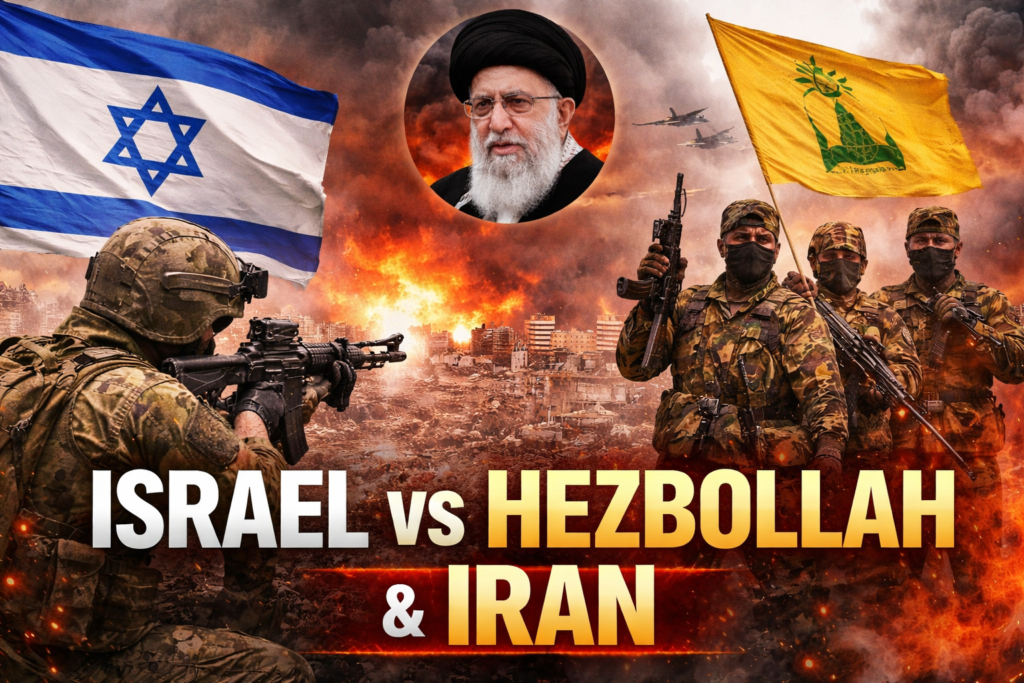
The latest escalation began with heightened military actions between Israel and Hezbollah forces operating in Lebanon. Israel has accused Hezbollah of launching attacks across its northern border, while Hezbollah claims its actions are in response to Israeli aggression.
Iran’s involvement, whether direct or indirect, has raised concerns among global powers. The situation quickly evolved from localized clashes into a potential multi-nation conflict.
Ceasefire Talks: What We Know So Far
Efforts to establish a ceasefire have been ongoing, with international mediators stepping in to de-escalate tensions. Key points include:
Diplomatic Efforts
- Multiple countries and international organizations are pushing for peace talks
- The United Nations has called for immediate restraint
- Backchannel negotiations are reportedly taking place
Challenges to Agreement
- Lack of trust between involved parties
- Continued military activity during negotiations
- Influence of external actors like Iran
Despite these challenges, there are signs that both sides may be open to reducing hostilities.
Role of Iran in the Conflict
Iran plays a crucial role in shaping the dynamics of this situation. As a supporter of Hezbollah, Iran provides military, financial, and strategic assistance.
Key Points:
- Iran denies direct involvement in some actions
- Western nations accuse Iran of fueling the conflict
- Its involvement increases the risk of a wider regional war
Iran’s position is central to any long-term resolution.
Impact on Beirut and Lebanon
Lebanon, already facing economic and political crises, is bearing the brunt of the conflict.
Humanitarian Concerns
- Civilian casualties and displacement
- Damage to infrastructure
- Increased pressure on healthcare systems
Economic Consequences
- Further strain on Lebanon’s fragile economy
- Disruption of trade and daily life
- Rising inflation and unemployment
The situation has worsened living conditions for many Lebanese citizens.
Israel’s Perspective and Security Concerns
Israel maintains that its actions are necessary for national security. The country has consistently emphasized its right to defend itself against attacks.
Key Concerns:
- Cross-border attacks from Hezbollah
- Threats to civilian populations in northern Israel
- Long-term regional security
Israel’s military strategy is focused on neutralizing threats while avoiding full-scale war.
Global Reactions and International Response
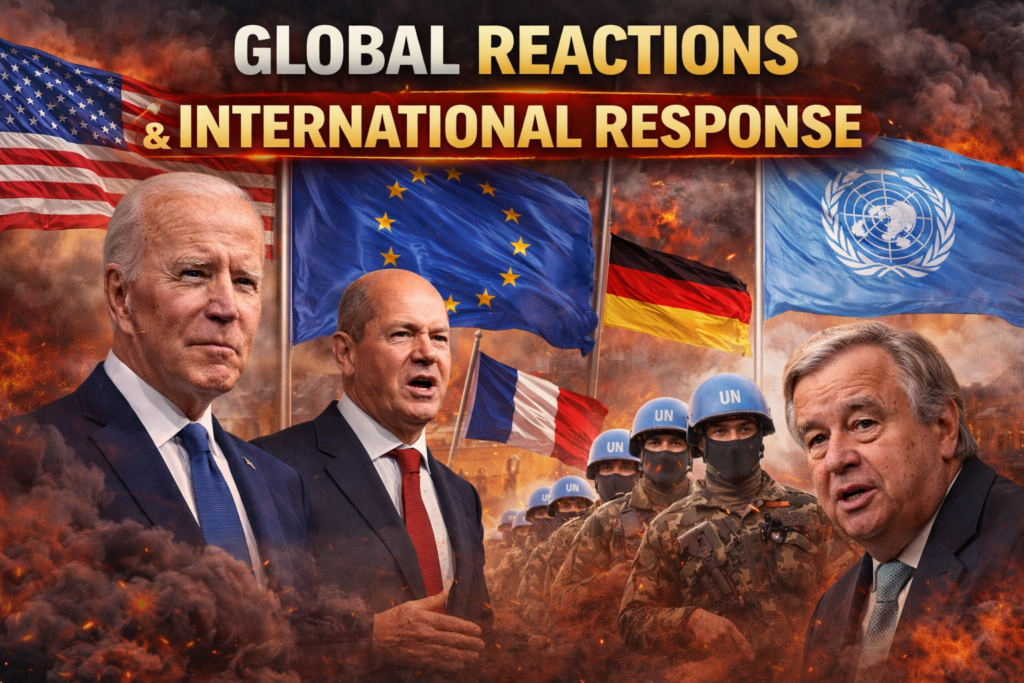
The international community is closely monitoring the situation. Various countries have expressed concern and urged restraint.
Major Responses:
- The United States supports Israel but calls for de-escalation
- European nations emphasize diplomatic solutions
- The United Nations advocates for an immediate ceasefire
Global powers are working to prevent the conflict from spreading.
Possible Outcomes of the Ceasefire
If a ceasefire is successfully implemented, several outcomes are possible:
Short-Term Effects
- Reduction in violence
- Humanitarian aid access improves
- Temporary stability
Long-Term Implications
- Potential for renewed negotiations
- Continued tension beneath the surface
- Risk of future escalations
A ceasefire may provide relief, but it may not solve underlying issues.
Why This Situation Matters Globally
The conflict is not just a regional issue—it has global implications.
Key Reasons:
- Impact on global oil prices
- Influence on international security
- Risk of broader geopolitical conflict
Stability in the Middle East is critical for global peace and economic balance.
Conclusion
The Israel–Beirut–Iran ceasefire situation represents a critical moment in Middle Eastern geopolitics. While diplomatic efforts offer hope, the path to lasting peace remains uncertain.
Understanding the complexities of this conflict is essential for grasping its global significance. As negotiations continue, the world watches closely, hoping for a resolution that brings stability to the region.
FAQs
1. What is the main cause of the conflict?
The conflict is driven by long-standing tensions between Israel and Hezbollah, along with Iran’s involvement in supporting militant groups.
2. Is a ceasefire currently in place?
Ceasefire talks are ongoing, but a fully stable and lasting agreement has not yet been confirmed.
3. Why is Iran involved?
Iran supports Hezbollah and seeks to expand its influence in the Middle East, which impacts the conflict.
4. How does this affect civilians?
Civilians face displacement, economic hardship, and safety risks due to ongoing violence.
5. Could this lead to a larger war?
Yes, if tensions escalate further, it could involve more countries and lead to a broader regional conflict.
Hi, this is a comment.
To get started with moderating, editing, and deleting comments, please visit the Comments screen in the dashboard.
Commenter avatars come from Gravatar.