
Introduction
The Indian government has recently proposed new rules aimed at regulating news and political content on social media platforms. As digital platforms continue to play a major role in shaping public opinion, the move has sparked widespread discussion among policymakers, tech companies, journalists, and everyday users.
This development is part of a broader effort by India to address misinformation, ensure accountability, and create a more transparent digital ecosystem. In this article, we will explore the proposed rules, their purpose, potential impact, and what they mean for users.

Background: Why Regulation Is Being Considered
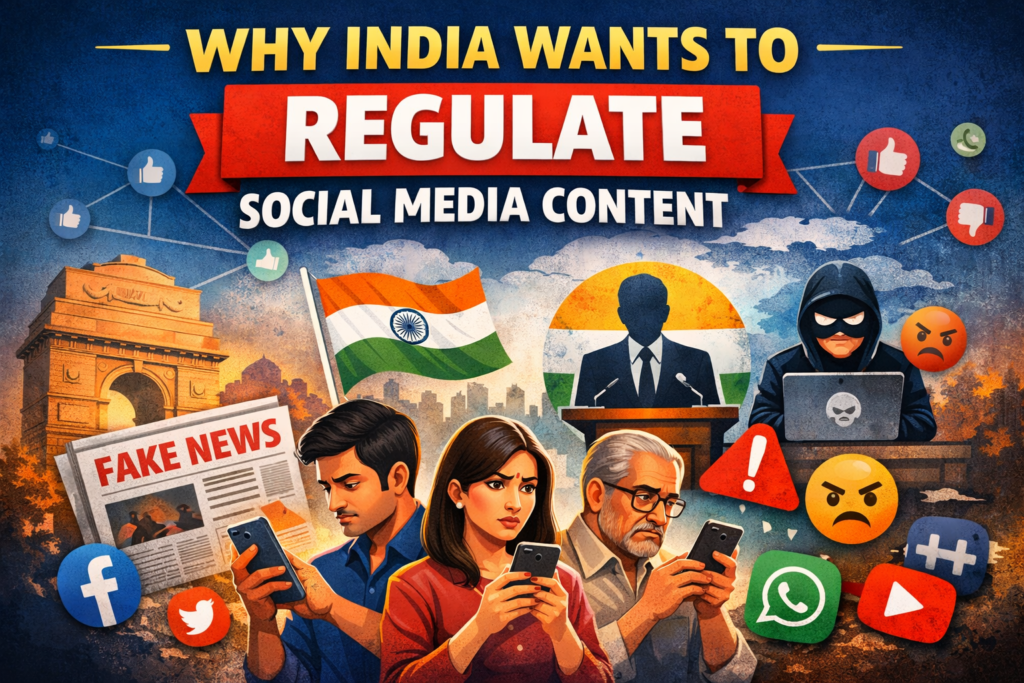
Over the past decade, social media has become a primary source of news and political information for millions of people in India. Platforms like Facebook, X (formerly Twitter), and YouTube influence public opinion and political discourse on a massive scale.
Rise of Misinformation
One of the key reasons behind the proposed rules is the growing spread of misinformation and fake news. False or misleading information can quickly go viral, potentially influencing elections, public sentiment, and even social stability.
Increasing Political Influence
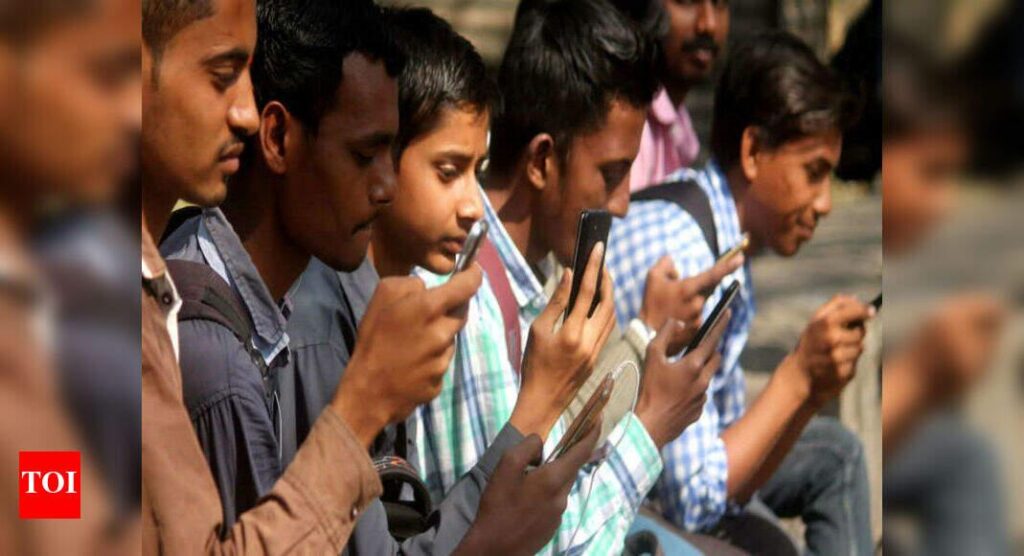
Social media platforms are increasingly used for political campaigns, messaging, and debates. While this creates opportunities for engagement, it also raises concerns about manipulation and lack of accountability.
Key Highlights of the Proposed Rules
The new regulations aim to bring more structure and responsibility to digital platforms.
H3: Accountability for Platforms
Social media companies may be required to take greater responsibility for the content shared on their platforms. This includes monitoring and addressing misleading or harmful posts.
H3: Verification of News Sources
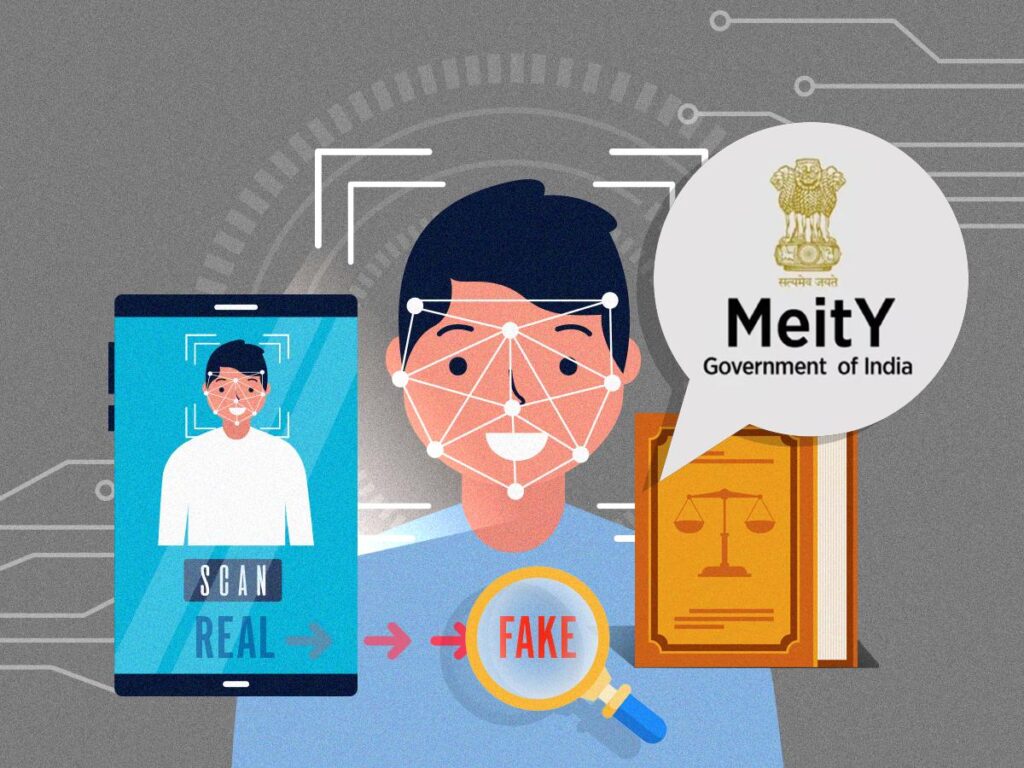
The government may introduce mechanisms to verify credible news sources, ensuring that users can distinguish between reliable and unreliable information.
H3: Transparency in Political Content
Platforms could be asked to clearly label political advertisements and sponsored content. This would help users understand who is behind the message.
H3: Faster Content Removal
The rules may require platforms to remove harmful or false content more quickly after it is flagged.
Impact on Social Media Users
The proposed rules could significantly affect how people use social media in India.
Better Information Quality
Users may benefit from more accurate and reliable information, reducing confusion caused by fake news.
Changes in Content Visibility
Some content, especially political posts, may be monitored more closely or removed if it violates guidelines.
Increased Awareness
Users may become more cautious about what they share, knowing that stricter rules are in place.
Impact on Tech Companies
Social media platforms will likely need to adapt to these new regulations.
Compliance Requirements
Companies may have to invest in better moderation systems and local compliance teams to meet regulatory standards.
Operational Challenges
Managing large volumes of content while ensuring accuracy and fairness can be difficult and resource-intensive.
Balancing Regulation and Freedom
Tech companies will need to balance government requirements with user freedom and platform neutrality.
Concerns and Criticism
While the proposed rules aim to improve the digital environment, they have also raised concerns.
Freedom of Speech
Critics argue that increased regulation could limit free expression and open debate on social media.
Risk of Overreach
There are concerns that excessive control could lead to censorship or misuse of power.
Implementation Challenges
Ensuring fair and consistent enforcement across millions of users and posts is a complex task.
Government’s Perspective
From the government’s point of view, these rules are necessary to maintain order and trust in the digital space.
Protecting Public Interest
The goal is to prevent the spread of harmful content that could mislead or harm citizens.
Strengthening Digital Governance
By introducing clear rules, the government aims to create a safer and more accountable online environment.
Global Context
India is not alone in considering such regulations. Many countries around the world are exploring ways to manage social media content.
International Trends
Governments globally are focusing on:
- Combating misinformation
- Ensuring platform accountability
- Protecting democratic processes
India’s approach reflects a broader global trend toward digital regulation.
What to Expect Next
The proposed rules are still under discussion and may evolve before final implementation.
Possible Outcomes
- Introduction of stricter compliance measures
- Collaboration between government and tech companies
- Ongoing debates about digital rights and freedoms
Importance for Users
Staying informed about these changes will help users understand their rights and responsibilities online.
Conclusion
The proposal to regulate news and political content on social media marks a significant step in India’s digital policy landscape. While the move aims to improve transparency, reduce misinformation, and ensure accountability, it also raises important questions about freedom of expression and implementation challenges.
As discussions continue, finding the right balance between regulation and user freedom will be crucial. For now, users, platforms, and policymakers must work together to create a safer and more reliable digital environment.
FAQs
1. Why is India proposing new social media rules?
To reduce misinformation, improve accountability, and ensure transparency in news and political content.
2. Will these rules affect everyday users?
Yes, users may see changes in how content is monitored, labeled, and removed.
3. How will political content be handled?
Political posts may be labeled more clearly, and sponsored content will likely require transparency.
4. Are there concerns about freedom of speech?
Yes, some critics believe the rules could limit free expression if not implemented carefully.
5. When will these rules come into effect?
The rules are currently under discussion and may be finalized after further review and feedback.