
Introduction
The successful return of the Artemis II crew marks a major milestone in modern space exploration. After completing a historic journey around the Moon, the astronauts safely splashed down on Earth, capturing global attention. This mission is not just another spaceflight—it represents a significant step toward humanity’s long-term goal of returning to the Moon and eventually traveling to Mars.
In this article, we’ll explore the mission highlights, why Artemis II matters, and what it means for the future of space exploration.
What Is Artemis II?
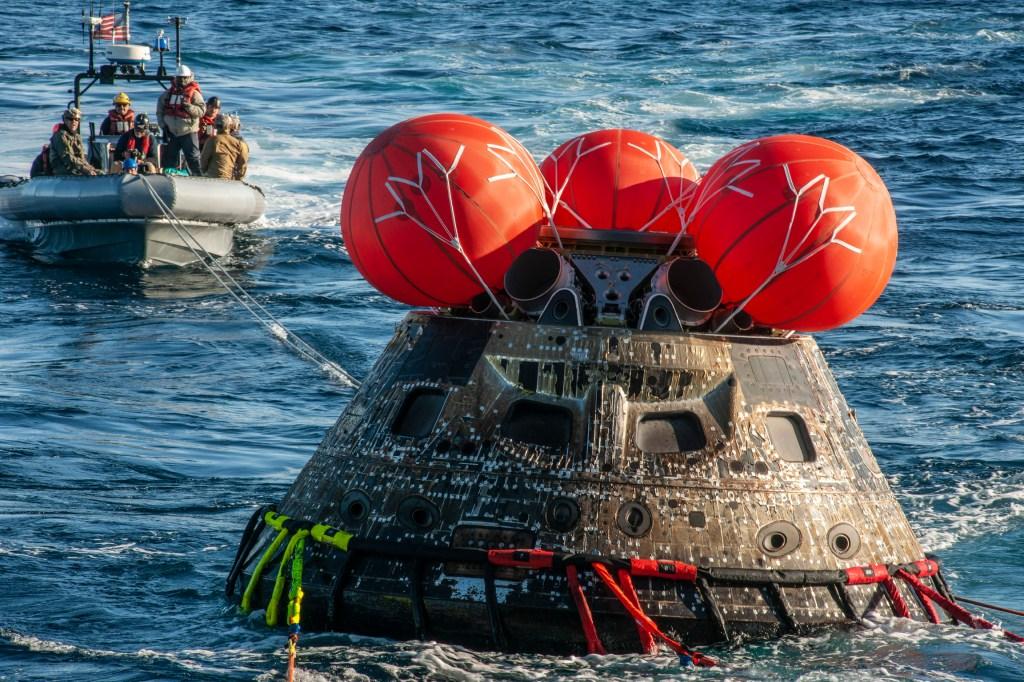
Artemis II is part of NASA’s ambitious Artemis program, designed to re-establish human presence on the Moon. Unlike Artemis I, which was an uncrewed test flight, Artemis II carried astronauts on a journey around the Moon and back to Earth.
Key Objectives of the Mission
- Test spacecraft systems with a human crew
- Demonstrate safe deep-space travel
- Prepare for future lunar landings
- Gather valuable data for upcoming missions
This mission serves as a bridge between testing and actual lunar surface exploration.
The Journey Around the Moon
The Artemis II crew traveled thousands of kilometers beyond Earth, entering deep space and orbiting the Moon before heading back home. This journey was both technically challenging and historically significant.
H3: A New Era of Human Spaceflight
For the first time in decades, humans ventured beyond low Earth orbit. This achievement highlights advancements in technology and renewed interest in space exploration.
H3: Advanced Spacecraft Technology
The Orion spacecraft, used for Artemis II, is equipped with cutting-edge systems designed for long-duration missions. It ensures crew safety while providing the capability to travel farther than ever before.
The Splashdown: A Safe Return
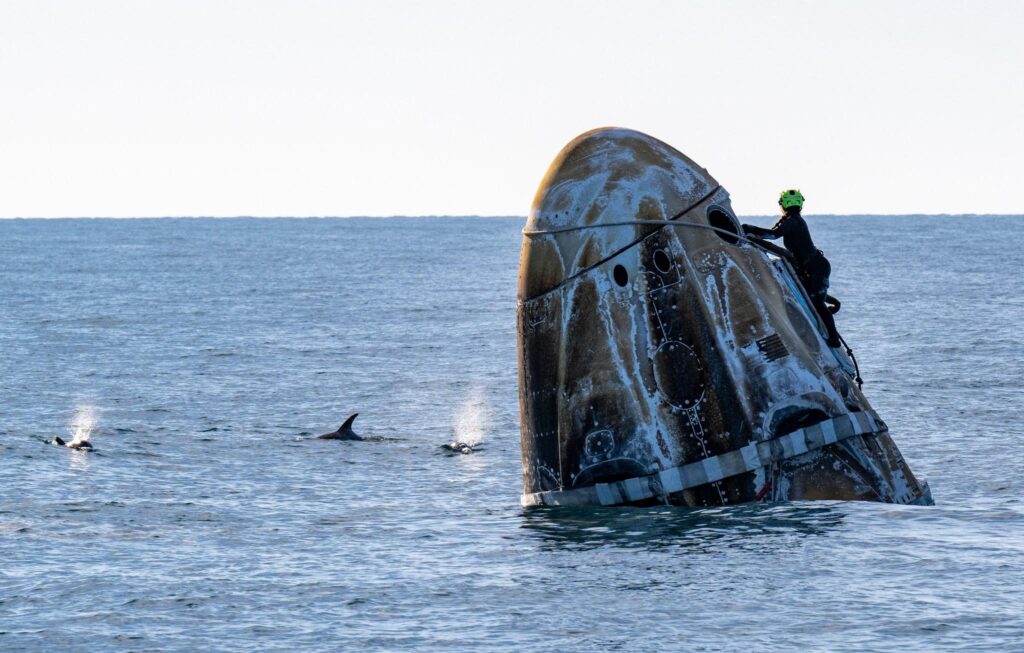
One of the most critical phases of any space mission is re-entry and landing. The Artemis II crew successfully completed this phase with precision.
H3: Controlled Re-entry
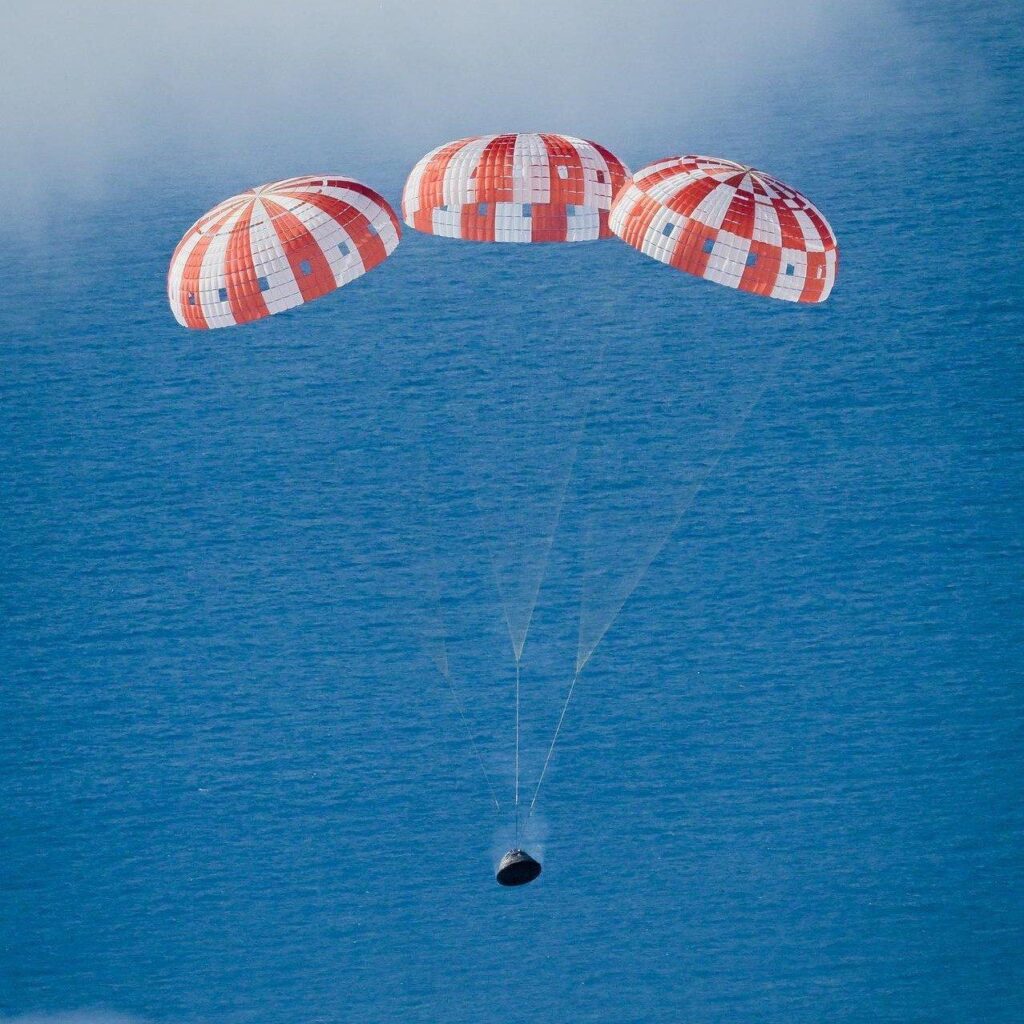
As the spacecraft re-entered Earth’s atmosphere, it endured extremely high temperatures. Heat shields and advanced engineering ensured the crew remained safe.
H3: Ocean Splashdown
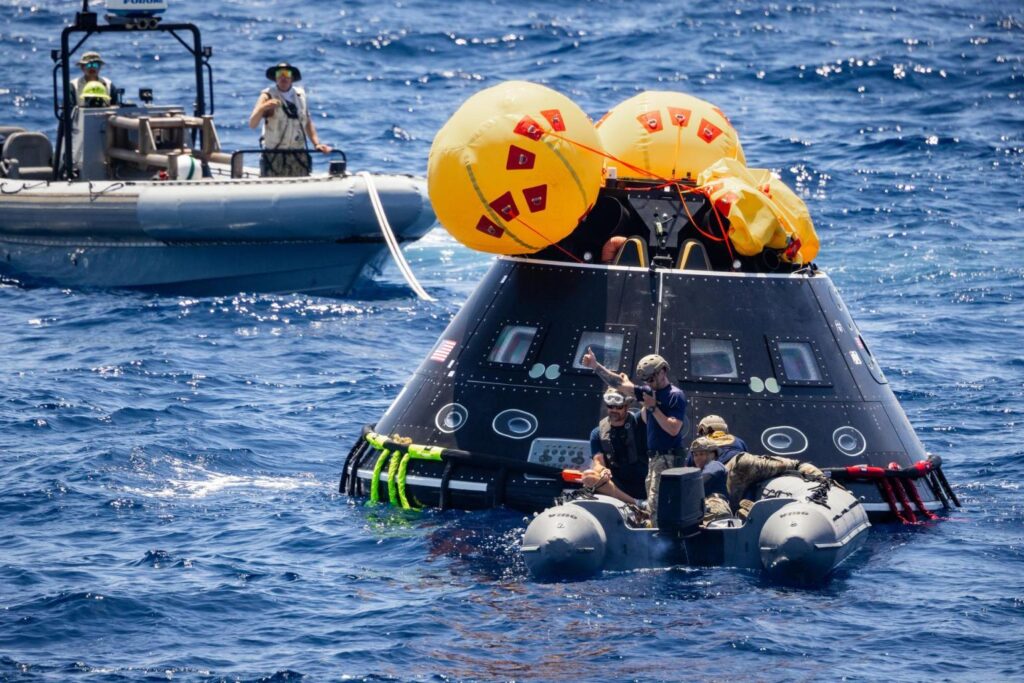
The capsule landed in the ocean, where recovery teams quickly reached the astronauts. This method, used in earlier missions as well, remains one of the safest ways to return from space.
Why Artemis II Matters
1. Preparing for Lunar Landings
Artemis II sets the stage for Artemis III, which aims to land humans on the Moon. Without this mission, future lunar exploration would not be possible.
2. Inspiring a New Generation
Space missions like this inspire students, scientists, and dreamers around the world. They encourage innovation and curiosity.
3. Strengthening Global Collaboration
The Artemis program involves international partnerships, showing how countries can work together to achieve extraordinary goals.
What Comes Next?
The success of Artemis II opens the door for more ambitious missions.
H3: Artemis III and Beyond
The next mission aims to land astronauts on the lunar surface, including the first woman and the first person of color.
H3: Path to Mars
NASA’s long-term goal is to send humans to Mars. Artemis missions are essential stepping stones toward that objective.
Challenges Ahead
Despite its success, space exploration still faces several challenges:
- High costs and resource requirements
- Technical risks in deep-space travel
- Human health concerns in long-duration missions
Addressing these challenges will be crucial for future success.
Conclusion
The Artemis II splashdown is more than just a successful mission—it’s a symbol of human progress and determination. By safely sending astronauts around the Moon and bringing them back, NASA has demonstrated that deep-space exploration is not just possible but achievable on a larger scale.
As we look ahead, missions like Artemis III and future Mars expeditions will build on this success. The journey has just begun, and the possibilities are limitless.
FAQs
1. What was the main goal of Artemis II?
The main goal was to test spacecraft systems with astronauts and prepare for future lunar missions.
2. How long did the Artemis II mission last?
The mission duration included travel to the Moon, orbit, and return, lasting several days.
3. Why is splashdown used instead of landing on land?
Splashdowns reduce impact forces and provide a safer landing method for spacecraft.
4. What is the next mission after Artemis II?
Artemis III, which aims to land humans on the Moon.
5. How does Artemis II help future Mars missions?
It tests technologies and systems needed for long-duration deep-space travel, which are essential for Mars exploration.