


6
In moments of high-stakes military operations, every decision—who is present, who is informed, and who is excluded—can have significant implications. One such moment that sparked curiosity and debate was the reported exclusion of former U.S. President Donald Trump from the control room during a sensitive rescue operation involving U.S. airmen in Iran.
This development raised several important questions: Why would a high-profile leader be kept away from such a critical operation? What protocols govern access to real-time military command centers? And what does this reveal about how decisions are made in national security situations?
This article breaks down the situation in a clear and informative way, helping readers understand the reasoning behind such decisions.
Understanding the Context of the Iran Rescue Operation


7
What Was the Operation About?
The operation reportedly involved rescuing U.S. airmen in Iran—an extremely sensitive scenario given the long-standing tensions between the United States and Iran. Any military activity in such a region carries risks of escalation and international consequences.
Rescue missions in hostile environments require:
- Precise coordination
- Secrecy and timing
- Advanced intelligence support
These missions are typically handled by elite special operations forces working closely with intelligence agencies.
Why Such Missions Are Highly Confidential
Confidentiality is critical because even a small leak can:
- Put lives at immediate risk
- Alert adversaries
- Cause mission failure
For this reason, information is shared strictly on a need-to-know basis.
What Is the Control Room and Why Does It Matter?


The Role of the Control Room
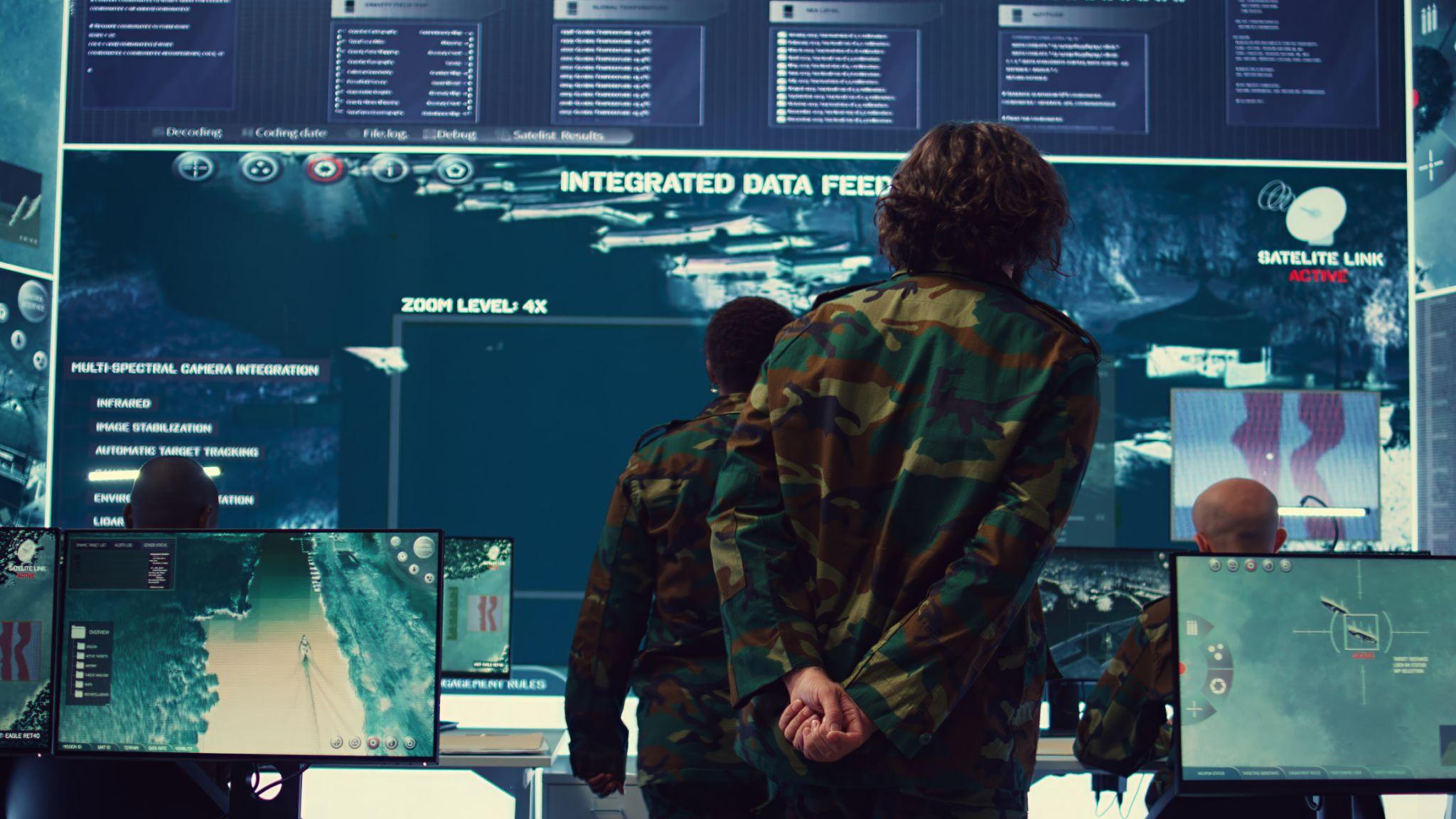
The control room—often referred to as the Situation Room—is the central hub where military and intelligence operations are monitored in real time. It enables leaders to:
- Track developments as they happen
- Communicate directly with field teams
- Make rapid, informed decisions
This environment is highly secure and designed for efficiency.
Why Access Is Limited
Only a small group of individuals are allowed inside during critical operations. This is because:
- Too many people can slow decision-making
- Sensitive information must be tightly controlled
- Clear communication is essential under pressure
Limiting access is about effectiveness, not exclusion.
Why Trump May Have Been Kept Out
1. Operational Security
One of the most important factors is operational security. Military leaders aim to reduce any unnecessary risk by limiting access to only those directly involved in the mission.
2. Chain of Command
Military operations follow a strict chain of command. Participation depends on whether an individual is:
- Actively in office
- Directly responsible for authorizing or overseeing the mission
If Trump was not required in the decision-making process, his absence would align with standard procedure.
3. Minimizing Political Influence
Sensitive military operations are typically kept free from political pressure. Decisions must be based purely on:
- Tactical needs
- Intelligence reports
- Risk assessments
This ensures objectivity and mission success.
4. Handling of Classified Information
Access to classified data is carefully managed. Officials determine:
- Who has the necessary clearance
- Who needs real-time access
- How to minimize exposure
This is a routine part of national security operations.
Historical Precedents: Not an Isolated Case


Similar Situations in the Past
There have been multiple instances where access to high-level operations was restricted:
- During the 2011 operation against Osama bin Laden, only a select group of officials were present
- Many senior figures were briefed only after the mission concluded
Why This Approach Is Effective
Keeping the room limited helps:
- Maintain focus
- Speed up decisions
- Reduce risk of leaks
These advantages are critical during time-sensitive missions.
Broader Implications
Public Reaction and Media Coverage
News about such exclusions often generates strong reactions. However, without understanding military protocols, these situations can be misinterpreted.
Civil-Military Balance
The situation highlights how military operations balance:
- Civilian leadership oversight
- Independent tactical execution
This balance is essential for both democracy and operational success.
Institutional Decision-Making
Ultimately, these decisions are made based on systems and protocols—not personal preferences.
What This Means Going Forward
Continued Focus on Security
Future operations will likely continue to prioritize:
- Limited access
- High-level confidentiality
- Precision decision-making
Technological Advancements
While technology improves real-time monitoring and communication, the principle remains unchanged: only essential personnel are involved.
Conclusion
The reported exclusion of Donald Trump from the control room during the Iran rescue operation may seem surprising at first. However, when viewed through the lens of military protocol and national security, it becomes clear that such decisions are standard practice.
They are driven by:
- Operational efficiency
- Security requirements
- Clear chains of command
In critical situations, success depends on minimizing risk and maximizing clarity. Restricting access to key environments like the control room is one of the many ways this is achieved.
Frequently Asked Questions (FAQs)
1. What is the Situation Room?
It is a secure facility where U.S. leaders monitor and manage military and intelligence operations in real time.
2. Why is access restricted during operations?
To protect sensitive information, ensure quick decisions, and reduce risks.
3. Is it unusual for leaders to be excluded?
No, it is common depending on their role in the operation.
4. Does exclusion indicate distrust?
Not necessarily. It usually reflects protocol and operational needs.
5. Who is typically present during such missions?
Key officials such as military commanders, intelligence leaders, and select government advisors.